
Prevention built without us, fails us

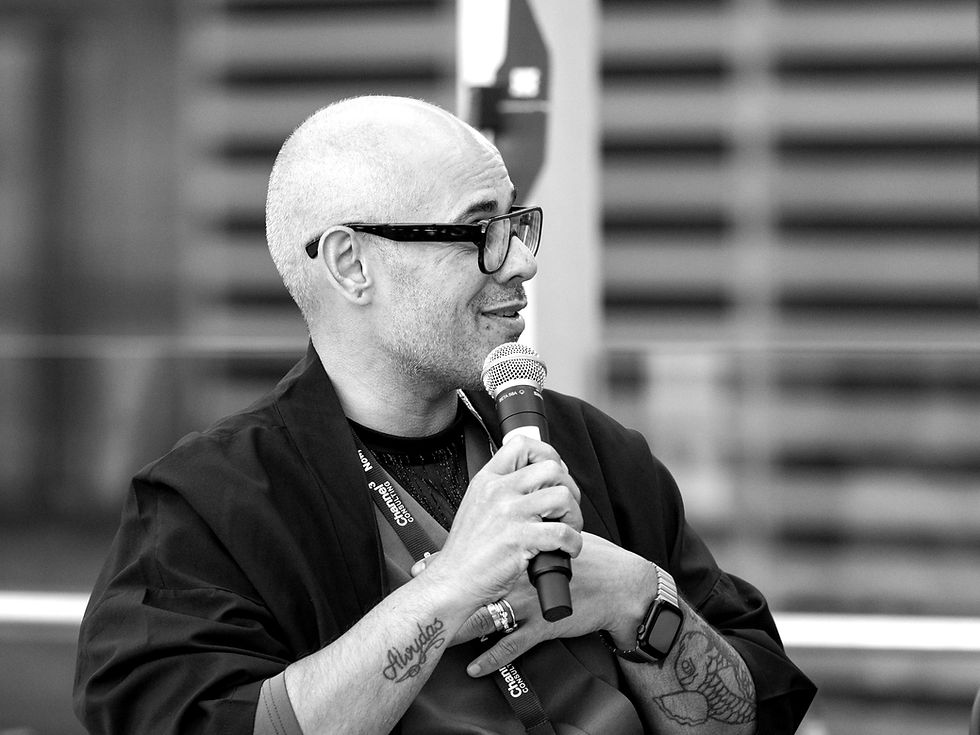
I've used that line a lot this year, in different rooms, for different reasons, and I want to take a moment to actually unpack what it means, rather than just letting it sit there as a good soundbite. Because I think the soundbite version is easy to nod along to, and the real version is much harder to sit with.
When I talk about racialised people being excluded from the design of the systems meant to support them, whether that's mental health services, suicide prevention strategy, or social care more broadly, I'm not talking about a gap that happened by accident. I'm talking about a pattern that has held for so long that it has started to feel normal. Strategies get written. Evidence gets gathered. Panels get convened. And somehow, again and again, the voices of racialised communities arrive late, if they arrive at all, usually once the framework is already fixed and all that's left to do is consult on the wording.
You cannot build something that protects people you never properly listened to. That isn't prevention. That's a guess wearing a lanyard.
I want to be careful here, because anti-racism work gets reduced sometimes to a conversation about representation alone, as if the fix is simply more racialised faces in the room. Representation matters, don't misunderstand me. But it isn't the whole answer. You can have racialised people sitting at a table that was never designed to actually hear them, where their experience gets treated as anecdote rather than evidence, where they're expected to translate their pain into the language the institution finds comfortable before it's taken seriously. That isn't inclusion. That's invitation without power, and it can do real harm, because it lets an organisation say it consulted racialised communities while changing nothing about how decisions actually get made.
This is part of why the language we use matters more than people sometimes think. I use the word racialised rather than terms like BAME, deliberately, because BAME flattens enormously different experiences into one tidy acronym that's easier for institutions to manage than to actually understand. Racialised reminds us that race isn't a fixed property someone carries, it's something that gets done to people, by systems, by history, by the assumptions baked into policy. That distinction isn't pedantic. It changes what you're actually trying to fix.
If the word you use to describe people lets you avoid asking who racialised them, and why, the word is doing exactly what it was designed to do.
I think a lot about suicide prevention specifically, because it's been a focus of a lot of my work recently, and because it shows so clearly what happens when prevention gets built without the people it's meant to protect. We know, and have known for a long time, that racialised communities often experience services, including crisis services, very differently to how those services imagine themselves being experienced. Mistrust isn't irrational when it's been earned. Fear of being misread, criminalised, or dismissed isn't paranoia, it's pattern recognition built from lived experience and from the experience of people who came before. A prevention strategy that doesn't start by understanding that isn't really a prevention strategy for those communities at all. It's a prevention strategy that happens to also apply to them, almost by coincidence.
What I'm asking for, in all of this work, isn't sympathy. It's structural change in who gets to shape the question before anyone starts looking for an answer. Centring racialised voices in co-production spaces means more than inviting people to share their story and then thanking them for their bravery. It means letting that story change the brief. It means racialised people being involved early enough that the very questions being asked are different, not just the answers being collected to questions someone else already decided mattered.
I won't pretend this work is comfortable, for anyone, including me. Centring racialised voices means some people who are used to being centred have to make room, and making room is rarely a neutral, painless act, even when everyone involved has good intentions. But I'd rather sit in that discomfort honestly than keep producing strategies and services that look inclusive on paper and fail, quietly and predictably, the very people they claim to protect. Prevention built without us fails us. I think that's worth saying plainly, and worth building differently, starting now.

Comments